Is Delta 8 illegal on November 12? The answer is more complicated than many headlines suggest. Federal hemp businesses are working with two important deadlines—November 12 and December 11—and the rules affecting products between those dates are not identical.
For manufacturers, distributors, retailers, consumers, payment processors, and other service providers, the right approach is to read the governing statutes carefully and evaluate products individually. A broad statement that every Delta 8 product becomes illegal on November 12 does not accurately capture the distinctions in the law.
November 12 and December 11 Are Different Hemp Deadlines
The federal moratorium that preserved the 2018 Farm Bill framework was extended through December 11 for most products. However, that extension does not cover cannabinoids that are wholly synthetic or incapable of being produced naturally by the cannabis plant.
That means some products may fall outside the federal hemp definition beginning November 12, while other products may remain federally lawful until December 11. Businesses should not treat those dates as interchangeable.
Two Cannabinoid Categories Matter
The updated federal hemp definition includes two exclusions that sound similar but operate differently:
- Cannabinoids that cannot be produced naturally by the cannabis plant. These compounds do not exist in the plant and are created chemically outside it.
- Cannabinoids that can occur naturally but are synthesized or manufactured outside the plant. These compounds exist naturally, often in very small amounts, but may be produced commercially through conversion or another manufacturing process.
Both exclusions can apply to intermediate products as well as finished consumer products. The distinction between a compound that cannot occur naturally and one that occurs naturally but is commercially converted is central to the November 12 analysis.
The Missing FDA Cannabinoid List
The law directed the FDA to publish a list of naturally occurring cannabinoids. That list was expected earlier in the year but had not been issued when this video was recorded. Without it, businesses have less federal guidance for distinguishing naturally occurring cannabinoids from compounds that fall outside the definition.
How Common Cannabinoids May Be Treated
The statute-based framework produces different answers for different products:
- THC-O acetate: This compound does not naturally occur in the plant and is therefore likely to fall outside the federal hemp definition beginning November 12.
- THCA and Delta 9: Both occur naturally in the cannabis plant and should remain within the extended framework until December 11, subject to all other applicable rules.
- Delta 8: Delta 8 occurs naturally, but commercial quantities are commonly produced by converting CBD with chemical agents. That creates a gray area, although it is most likely covered by the extension until December 11.
- Novel cannabinoids: Products containing unfamiliar compounds with unclear origins or production methods should receive additional scrutiny. If a cannabinoid does not exist naturally in the plant, businesses should plan around the November 12 deadline.
Review Hemp Inventory Product by Product
Businesses should review inventory one product at a time. Identify every cannabinoid in each product, determine whether it naturally occurs in the plant, and understand how it was produced. Manufacturers and distributors should be prepared to explain their production methods, while retailers should request sufficient information from their suppliers.
Continuing to carry a product after its applicable deadline may create problems involving banking, insurance, payment processing, or law enforcement. Products that contain compounds not found naturally in the plant should be planned for removal by November 12.
State Hemp Laws Still Apply
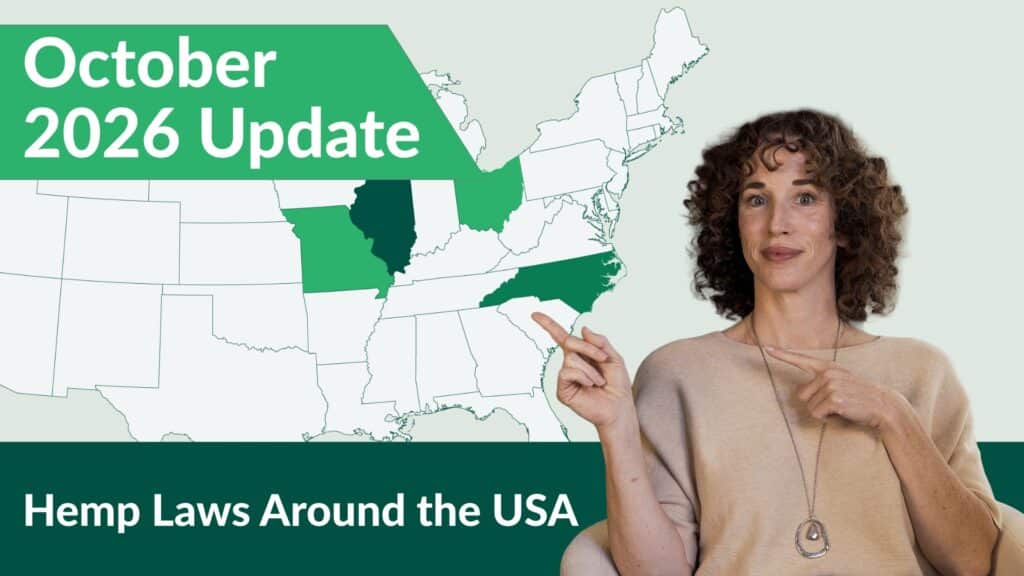
Federal law is only one layer of the analysis. States including Missouri, Illinois, and Texas have adopted their own requirements, some of which are already effective or operate on a different timeline. A product that remains lawful under federal law may still be prohibited in a particular state.
Businesses selling across multiple states need to evaluate both federal deadlines and each state market. The safest plan is based on the specific inventory, production methods, sales locations, and service-provider requirements affecting the business.
Plan Before the Deadline
If Delta 8, converted cannabinoids, or novel cannabinoids make up a meaningful part of your inventory, do not rely on a headline or assume every product has the same deadline. Review the statutes, investigate how each compound is made, check the law in every state where you sell, and make a documented plan before November 12 and December 11.
This information is intended to support a general understanding of the law and is not legal advice. Businesses with questions about particular products, markets, or timelines should consult counsel.