By Morgan Davis, Health and Wellness Attorney
Walk into a brewery, yoga studio, or even a golf club and you might find a THC seltzer sitting right next to the bottled water and beer. The THC beverage industry is booming, and 2025 is shaping up to be a massive year.
I’m Morgan Davis, a health and wellness attorney based in Raleigh, North Carolina. Let’s talk about how to keep your business protected and thriving as the THC beverage market takes off.
Why THC Beverages Are Surging
In the past year, we’ve seen the rapid rise of the THC beverage industry. Sales are projected to hit $1 billion by the end of 2025—and could soar to $30 billion by 2035. This is the first category of hemp-derived THC products that’s caught the attention of major players like Total Wine, DoorDash, and possibly even Diageo or Gallo.
Several trends are driving this growth:
- Younger generations are drinking less alcohol.
- THC beverages offer a discreet, shelf-stable alternative.
- They can be federally compliant with up to 10 mg of THC, thanks to the 0.3% delta-9 THC by dry weight rule.
Consumers like that they look like regular seltzers. Businesses like that they’re easier to regulate and less likely to suddenly become illegal compared to vapes or THCA flower.
What You Need to Know Before You Launch
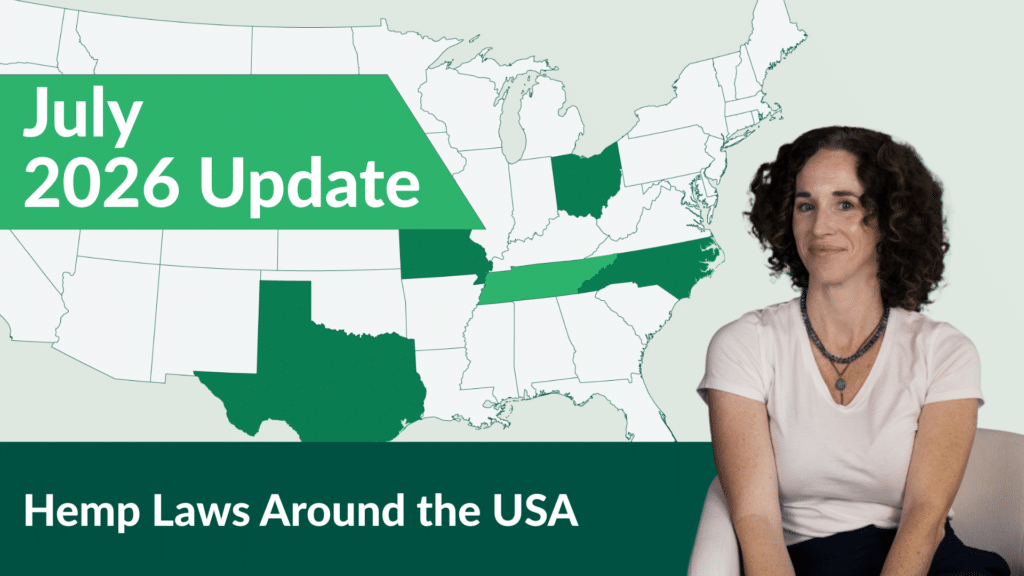
If you’re thinking about entering the THC beverage industry, know this: it’s still early. Distribution is a challenge. Traditional beverage distributors haven’t fully embraced these products, and legal frameworks are changing fast in states like Texas, California, Tennessee, and Ohio.
Another trend to watch is how state lawmakers are treating THC drinks differently than other hemp products. Many new laws include a THC beverage carve-out—setting specific rules for packaging, THC limits, and distribution channels. That’s largely because big alcohol wants a piece of the action and is pushing for familiar, controlled structures.
Compliance Is Key for THC Beverages
The industry is full of opportunity, but it’s also full of unknowns. If you plan to launch or expand a THC beverage brand, you’ll need a clear compliance strategy that accounts for evolving regulations, product labeling, and state-by-state distribution laws.
If you’re ready to move into the THC beverage space, or if you’re already there and need help staying compliant, we’d love to support you. Let’s talk about how to build a smart, resilient strategy for 2025 and beyond.